

Learning the Craft of Fiction: Why Almost Anyone Can Learn to Write Well
There’s a persistent myth in literary circles that great fiction writers are born, not made. This romanticized notion suggests that storytelling ability flows from some mystical wellspring of talent, accessible only to a chosen few who possess an innate gift for weaving words into compelling narratives. The truth, however, is far more encouraging and democratic: fiction writing is a craft that can be learned, developed, and mastered through dedicated study, consistent practice, and the right guidance.
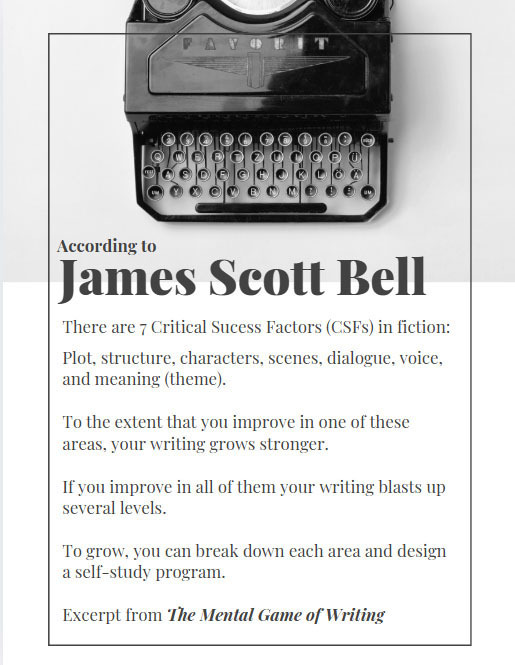
Like any skilled profession, from carpentry to medicine, fiction writing has its fundamental techniques, principles, and best practices. Understanding structure, characters, scenes, dialogue, voice, and theme represents the foundation upon which all great stories are built. These elements aren’t mysterious artistic secrets passed down through generations of literary masters. They’re teachable concepts that aspiring writers can study, practice, and gradually internalize until they become second nature.
The misconception that writing talent is purely innate often stems from observing polished, published works without seeing the years of learning and revision that preceded them. When we read a beautifully crafted novel, we experience the final product of countless drafts, editorial feedback, and refinement. What we don’t see is the author’s journey from their first awkward attempts at storytelling to their eventual mastery of the craft. Even celebrated authors like Stephen King, Toni Morrison, and Haruki Murakami spent years honing their skills, learning from other writers, and developing their unique voices through persistent effort.
Back when I got started writing fiction in the mid-80s, I read scores of books on craft and took courses from celebrated writers like David Gerrold, who wrote the Star Trek episode “The Trouble with Tribbles,” and much more. I ended up selling a dozen or so short stories to national publishers. When I returned from a decades-long break from fiction writing, I wanted to hone my skills even more (I called this “remedial fiction-writing school!”) and read a bunch more books and took several more courses. The result is a novel that has been written at what I consider to be the highest skill level I could muster to date. My beta readers are loving Stoker Rules, and I am pretty happy with it myself.
The abundance of high-quality resources available today makes learning fiction writing more accessible than ever before. Comprehensive craft books like The Emotional Craft of Fiction and Writing the Breakout Novel by Donald Maas, Save the Cat Writes a Novel by Jessica Brody, and nearly any book by James Scott Bell offer deep insights into the mechanics of storytelling. Online platforms provide access to courses taught by accomplished authors, while writing communities and forums create spaces for feedback and mutual support. Literary magazines showcase contemporary techniques and styles, while classic works demonstrate timeless principles of effective storytelling.
However, resources alone aren’t sufficient. The development of writing skill requires what psychologists call deliberate practice: focused, purposeful effort aimed at improving specific aspects of performance. For fiction writers, this means setting aside regular time for writing, experimenting with different techniques, and critically analyzing both their own work and the work of others. It involves writing stories that challenge current abilities, seeking constructive feedback, and revising work multiple times to achieve greater clarity and impact.
The practice component cannot be overstated. Like musicians who must practice scales and exercises to develop finger dexterity, writers must practice the fundamental elements of their craft. This might involve writing character sketches to understand motivation, crafting dialogue to capture authentic speech patterns, or experimenting with different narrative perspectives to find the most effective approach for a particular story. Each writing session builds upon previous experience, gradually expanding the writer’s toolkit and confidence.
Feedback plays a crucial role in this learning process. Joining a writing group, working with a mentor, or participating in workshops provides the external perspective necessary for growth. Other writers can identify blind spots, suggest improvements, and offer encouragement during inevitable moments of doubt. The publishing industry itself provides feedback through rejection letters and editorial suggestions, though developing resilience to criticism is an essential part of the learning process.
Perhaps most importantly, learning to write fiction well requires patience with the process and faith in gradual improvement. Unlike some skills that show rapid initial progress, writing development often feels slow and uneven. Writers may struggle with dialogue for months before suddenly finding their characters’ voices, or work through dozens of opening paragraphs before discovering an effective way to begin their story. This apparent inconsistency is normal and reflects the complex, multifaceted nature of the craft. It is important to persevere. The journey from beginner to accomplished fiction writer isn’t always linear, but it’s absolutely achievable for anyone willing to commit to the process. With quality resources, dedicated practice, openness to feedback, and persistence through challenges, aspiring writers can develop the skills necessary to create compelling, meaningful fiction. The only real prerequisite is a genuine desire to tell stories and the determination to keep learning and improving along the way.
Comments are closed.